
Maintaining billing during the transition
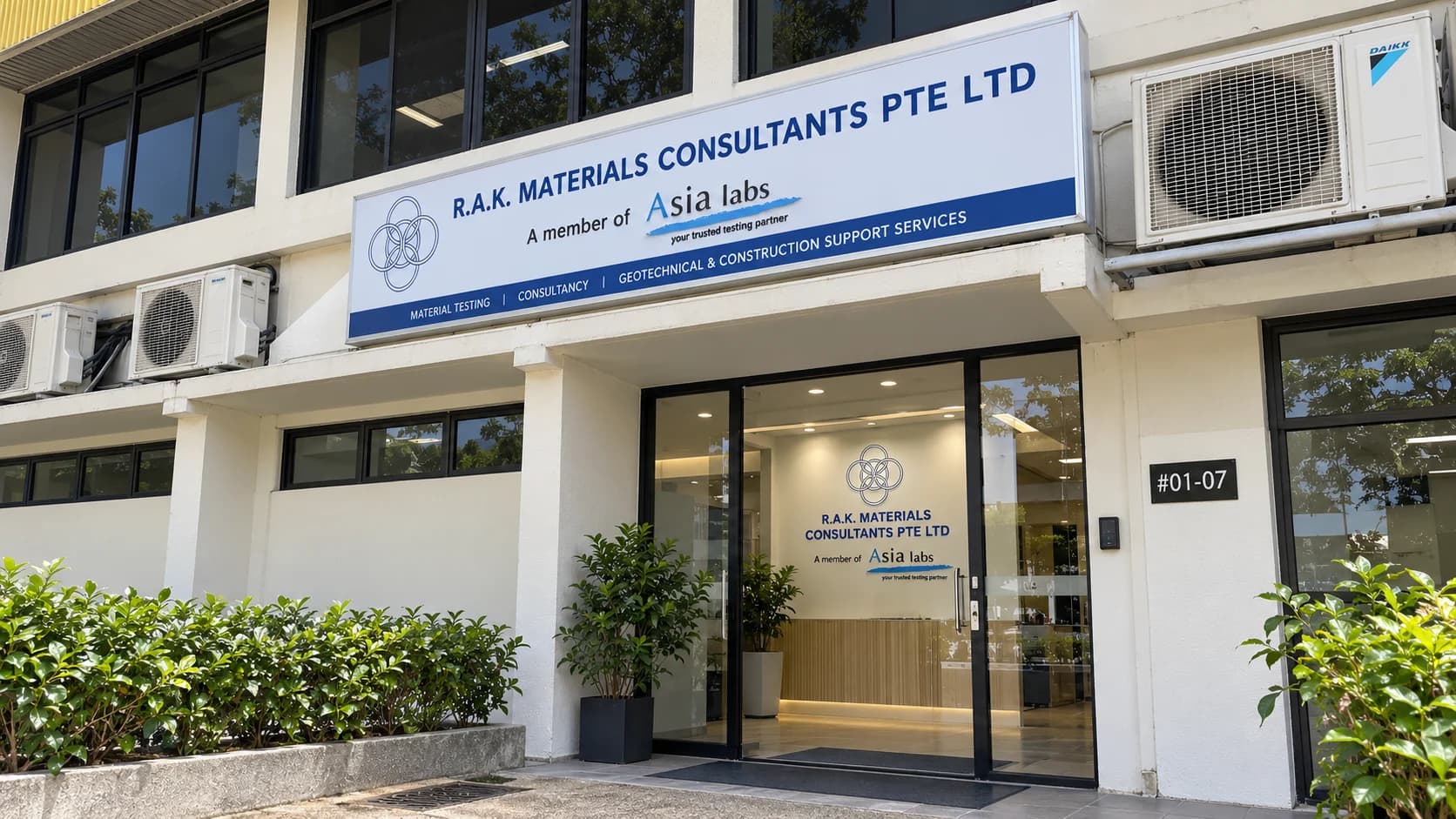
R.A.K. Materials Consultants (RAK), a Singapore-based materials testing and engineering consultancy, was transitioning its operations to a new enterprise system as part of its digitalisation efforts.
The migration involved moving existing operational workflows to a newer platform, including the submission and management of concrete cube-testing jobs. These records contain important information about the concrete specimens received for testing, the associated projects and the customers requesting the services.
However, RAK still depended on its legacy enterprise resource planning (ERP) system for certain downstream processes such as receiving payment. Although job submissions were being managed through the newer CubeSync system, the corresponding records still needed to be entered into the older ERP for those processes to continue.
This created an operational dependency between two systems during the migration. Without a way to transfer the information, staff would have to re-enter job details manually, adding administrative work and creating potential delays in processing jobs for payment.
Modernising without disrupting business operations
Migrating to a new enterprise system is rarely a matter of replacing one application overnight. Businesses often have established processes, integrations and financial dependencies that cannot all be moved at the same time.
RAK's situation illustrates this challenge. Its newer system could manage concrete testing submissions, but the existing ERP remained necessary for downstream billing. Without a reliable connection between them, the business would either have to maintain duplicate data entry or risk delays in getting completed work processed for payment.
By automating the transfer of job records, RAK established a practical link between its new and existing systems. This reduced the need for staff to enter the same information twice and allowed the company to retain its established billing workflow while progressing with the migration.
More importantly, the approach gave RAK greater flexibility in how it modernised its operations. Individual workflows could be transitioned progressively, without requiring every dependent system to be replaced simultaneously. The automation also provided an interim solution that could be retired once the remaining legacy dependencies were addressed.
For RAK, this meant a more manageable transition, with less administrative duplication and a clearer path towards adopting its new enterprise system while protecting the continuity of existing business processes.