

Recognising opportunities for automation
One of the greatest challenges in introducing automation is helping people recognise problems they have become accustomed to.
In many organisations, repetitive administrative work is simply accepted as part of the job. Employees may spend hours transferring information between systems, preparing documents or compiling reports without realising that much of this work could be automated.
Even when a solution has been developed, its success depends on whether the people involved understand the problem it addresses and how it could improve the way they work. This requires the ability to communicate technical ideas in a way that is relevant and understandable to others.
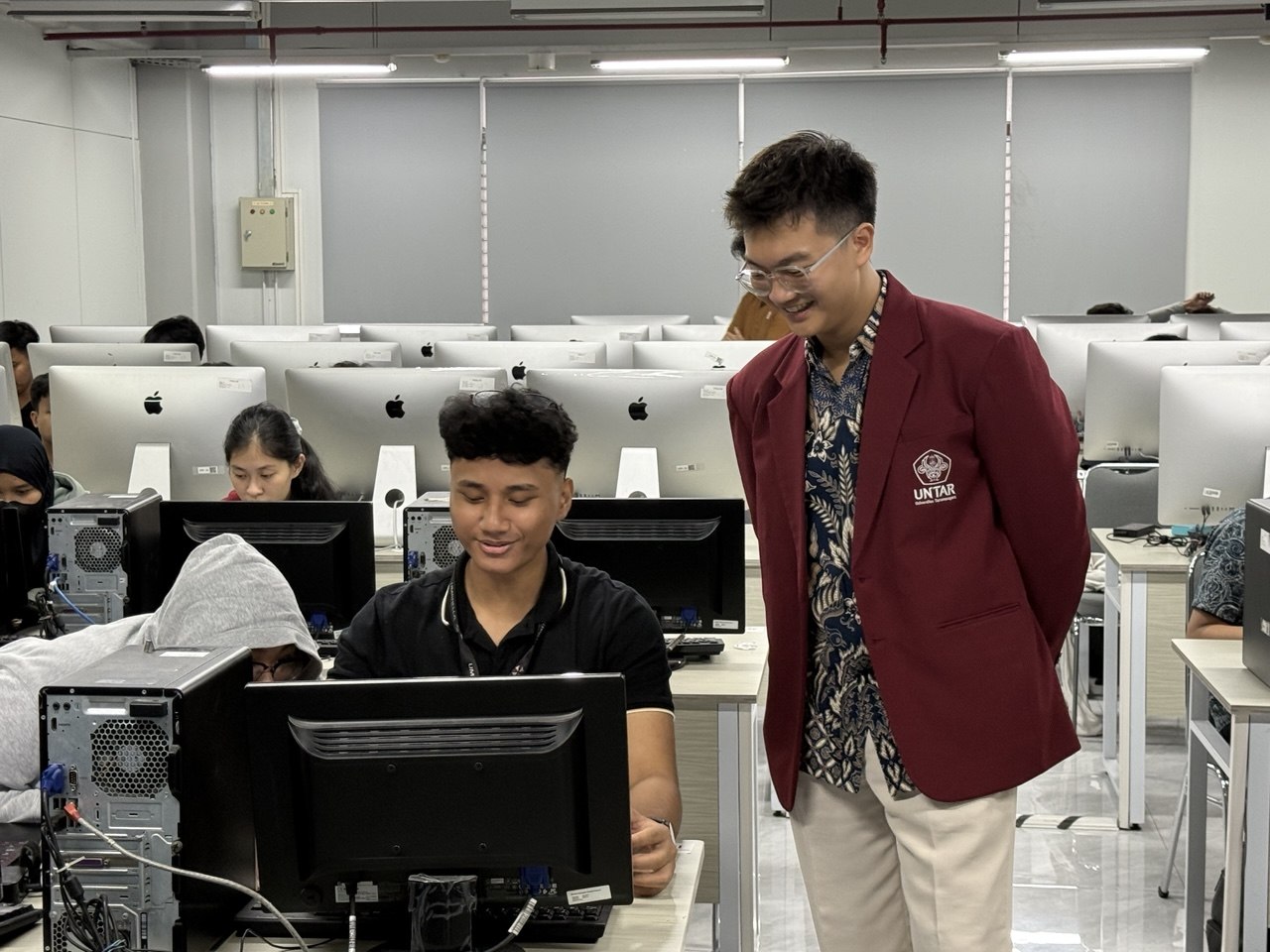
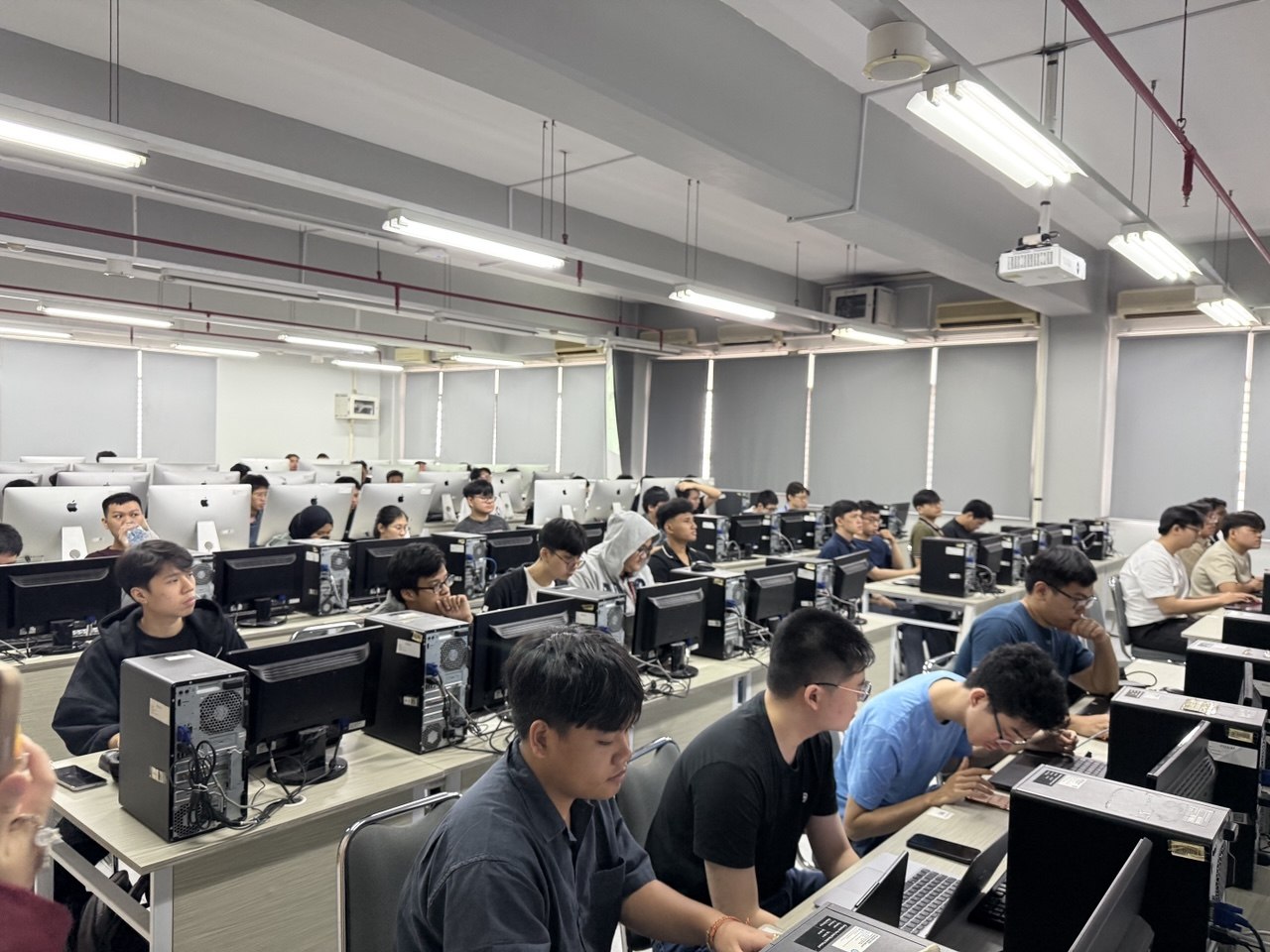
This was one of the principles behind "From Clicks to Bots: Young Innovators Automate with UiPath", a one-day workshop hosted by the Faculty of Information Technology at Universitas Tarumanagara (UNTAR) in Jakarta on 20 October 2025, attended by 70 students.
The workshop was led by Ernest Ng and Jessen Chayadi, a 2025 UiPath Student Developer Champion in Indonesia. Both are now bringing their experience in automation development in GORU.
The programme aimed to equip students with the ability to identify opportunities for automation, develop practical solutions and explain how those solutions could benefit the people using them.
Learning by building and solving problems together
Throughout the day, participants worked with UiPath to develop automation workflows based on familiar activities encountered in businesses and administrative environments.
The first exercises introduced web automation and data extraction, demonstrating how software robots could navigate websites and retrieve information without requiring someone to repeat the same actions manually.
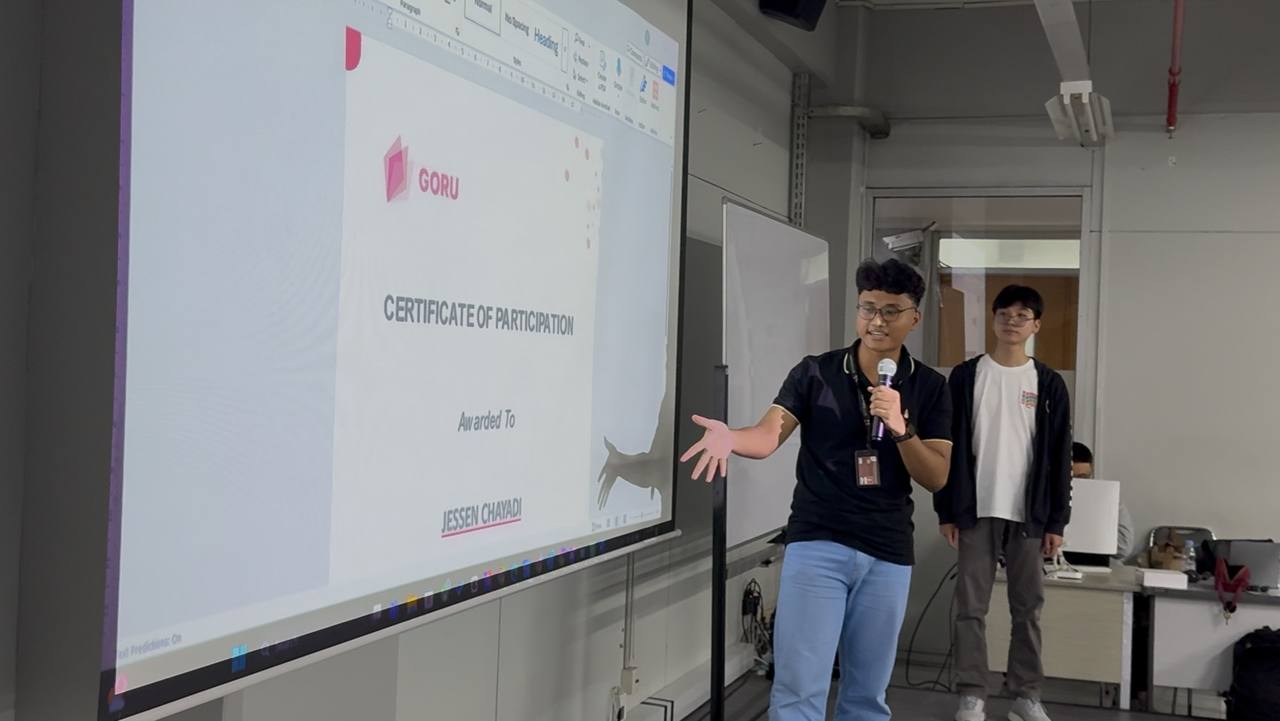
Participants then explored document automation by building a workflow that generated individual certificates from an Excel list of recipients. Using Microsoft Word templates, the automation could insert each participant's details and produce a personalised PDF certificate. The exercise was subsequently extended to email automation, showing how the generated documents could be distributed to their intended recipients.
Students were also introduced to messaging automation and AI-assisted tools, including UiPath Clipboard AI, which demonstrated how information from documents and other sources could be extracted and transferred into different applications.
The programme incorporated collaborative problem-solving, with students working together to develop workflows, troubleshoot challenges and consider how their solutions could be improved.
Every participant was also given an opportunity to present their work and explain their approach to others.
Participants were encouraged to consider the perspective of the people who would eventually use their solutions: What problem does the automation address? Why does it matter? How would someone benefit from adopting it?
Through these presentations, participants practised communicating the purpose and value of their work to an audience that might not share the same technical background.
Skills that extend beyond the classroom
For UNTAR, the collaboration provided participants with practical exposure to automation development alongside opportunities to strengthen their communication, presentation and problem-solving skills.
By working through familiar business processes, participants could see how automation could reduce repetitive work and improve the way everyday tasks are performed. The exercises also encouraged students to look beyond the technical implementation and consider how their solutions could be applied in real organisations.
These capabilities are increasingly important as businesses explore automation and AI. Developing a useful solution begins with understanding how people work, identifying where improvements can be made and earning their confidence in a better approach.